How our puppies are raised
Each WindRidge German Shepherd puppy receives the love and tenderness of a family home, plus the socialization needed for a great attitude, a perfect temperament, easy training, and a stellar personality. Combined with their large bone, incredible black & red, bi-colored, and sable coats, and beautiful structure, they are among the highest-quality German Shepherds. We breed dogs with personalities that suit most family homes. We believe these components are essential for dogs – whether owned as family companions or trained in more complex training.
WindRidge is dedicated to breeding only the finest quality German Shepherds. Our goal is to produce clear-headed, social puppies and dogs that not only have beautiful looks but are healthy from head to tail. We pay attention to every detail in our program! We strive for excellence; we will only accept passing OFA prelims and final ratings of FAIR, GOOD, or EXCELLENT, FCI of A-1 or A-2, SV of A/Normal, Cardiac Normal, Eyes Normal, DM Clear (N/N)-no carriers, DNA testing, and fully cleared Embark panel.
With continued training, our puppies/dogs have excelled in many venues, including obedience competition, scent work, Search and Rescue, Guide, Mobility and Therapy dogs, conformation, and as devoted, affectionate pets capable of protecting their family if needed. We carefully expose our litters to a very wide variety of sights, smells, sounds, surfaces, people, and other animals while implementing Puppy Culture (ENS and ESI puppy stimulation). Every WindRidge puppy, teenager, or adult comes with a lifetime of breeder support and interest in their training and achievements.
Our puppies have wonderful temperaments, are very eager to please, and easily master obedience. Their lineage includes numerous AKC Champions, AKC obedience titled dogs, IPO-Schutzhund dogs, dogs with European titles, and additional working, herding, and scent work titles.
Buyers seeking high-drive German Shepherds should continue your search for a different German Shepherd Dog breeder. WindRidge purposely does not breed for that type of German Shepherd. Instead, we strive to raise happy, healthy, low- to medium-drive dogs that don't require a constant job but will proudly work, train, and be as active or as inactive as their human owner/handler. Personally, we don't want a puppy/dog that has to be worked several hours every day, for hours on end, or else it becomes destructive, loud, bored, can’t settle or relax, and has no OFF switch.
We start handling our puppies at birth and find they thrive on this hands-on contact and stimulation, which helps form a strong bond with humans. We try to excel in puppy placement. So, if the cutest, fluffiest, most playful puppy may not meet your needs, let us help you make this important, lifelong decision. Choosing the right puppy takes time and careful consideration. We want you and your new puppy to live a happy and rewarding life together.
WindRidge puppies are delivered from our home nursery into loving, awaiting human hands. They are raised within our home, with our family. We can put a lot of time and individual focus into each puppy’s growth, development, and enrichment needs. One of our goals as a responsible breeder is to set each of our puppies up to win, no matter what path they end up on.
The first 12 weeks of a puppy’s life are incredibly important. This is an almost magical time when a breeder can change a puppy’s life through what we choose to teach them. By doing just the right things at just the right time, we can give your puppy the best start possible.
Some of our puppies will go on to become therapy, mobility, scent, or working dogs; others will live in several types of family settings as cherished members of the family. We perform ESI in addition to ENS and Puppy Culture Curriculum, so they have a better start in their future. This value-added service makes a big difference for our puppies and the families they join.
You may have heard of Puppy Culture but aren’t exactly sure what it’s all about. Here, you will learn, in layperson’s terms, what it involves and the amazing outcomes it produces.
What is Puppy Culture? Puppy Culture is a socialization and training program specifically developed for puppies from birth through the end of their critical socialization period, with age-appropriate protocols and lessons laid out in an organized format. Jane Killion, a professional dog trainer and breeder, developed Puppy Culture. It is a comprehensive, organized program for breeders to follow during a puppy's first weeks of life. Puppy Culture is the result of decades of animal behavior research and the science of promoting healthy physical and behavioral responses in dogs, while deterring problem behaviors from a very young age. Puppy Culture begins on day 3 of the puppy’s life.
After ENS and ESI are complete, the fun really starts in week three. This is where socialization and behavioral training begin as puppies start to discover each other, their environment, and a sense of self. Each puppy’s personality is starting to emerge! From weeks three through eight, Puppy Culture protocols work to build seven principles into each puppy while they're still a blank slate. Most people think of socialization as exposing their puppies to as many new experiences as possible while they're young. While this is part of the process, it’s not enough. Our goal is to raise dogs that have the emotional intelligence to connect with you.
This is an incredible amount of work, but it is 100% ABSOLUTELY WORTH IT!!!!!! When your puppy is ready to go home, you will be just as thankful as we are for this program! It's one more layer of work we provide in growing strong foundations for our puppies and their futures.
For your convenience, included in the purchase price of each puppy, WindRidge purchases the AKC Puppy Protection Package for you and your puppy:

German Shepherds for Real Life: WindRidge German Shepherds is proud to be chosen by the AKC as a Select Breeder and a premier participant in the AKC's Puppy Protection Package Plus program. We are the first German Shepherd Dog breeders in the United States to offer our customers unsurpassed benefits for their new puppies through the AKC. We are thrilled to have been included in the development of this program and know it is one more step we can take to provide the BEST protection for our puppies. Thank you to the AKC for recognizing our devotion to the German Shepherd Dog breed by honoring us with this exclusive opportunity.
Do you ever wonder where your puppy comes from when you can't physically visit WindRidge?


Just A Pet...
“I don’t care about papers,” “I just want a pet, not a show dog,” “Who cares if it’s out of standard? I just want a companion,” or “I just want a cheap puppy/dog.”
I hear these statements frequently from people searching for a new puppy to add to their family. They often use these phrases as an excuse to purchase from less reputable breeders or to seek out the cheapest options. Many feel they don’t need all the "bells and whistles" because they don’t understand their importance.
Breeding should have a purpose, and it is perfectly fine if that purpose is companionship. However, you must still conduct health testing on all dogs before breeding to improve the breed. So, what does this mean? It is a multifaceted concept, but in short, bettering the breed involves breeding to meet the breed’s standard, reducing flaws, aiming for ideal temperament and drive, and minimizing hereditary diseases.
“I don’t care about papers,” “I just want a pet, not a show dog,” “Who cares if it’s out of standard? I just want a companion,” or “I just want a cheap puppy/dog.”
I hear these statements frequently from people searching for a new puppy to add to their family. They often use these phrases as an excuse to purchase from less reputable breeders or to seek out the cheapest options. Many feel they don’t need all the "bells and whistles" because they don’t understand their importance.
Breeding should have a purpose, and it is perfectly fine if that purpose is companionship. However, you must still conduct health testing on all dogs before breeding to improve the breed. So, what does this mean? It is a multifaceted concept, but in short, bettering the breed involves breeding to meet the breed’s standard, reducing flaws, aiming for ideal temperament and drive, and minimizing hereditary diseases.

The breed standard encompasses everything from structure to temperament to color. It is designed to produce a dog best suited, physically and mentally, for whatever job it is meant to do. The breed standard is one of the best aspects of owning a purebred, well-bred dog because it ensures that you know exactly what to expect in terms of size, energy level, drive, and coat type. When the breed standard is ignored, it can lead to dogs with structural problems that result in degenerative joint issues or dogs with severe health conditions that could have been prevented with health-tested parents. Additionally, it may produce dogs with temperaments that are the opposite of what they should be, often resulting in these dogs being rehomed, abandoned, or even euthanized.
Even if you don't want a show dog, choosing a breeder who shows their dogs in conformation shows their breeding stock meets the breed standard. A breeder who competes in sports or work proves their dogs have the right trainability and drive. Every litter produced by two show-dog parents will primarily consist of pet dogs, which is a more reliable source for your family pet than a backyard breeder on Craigslist. Similarly, a litter from working or sport parents will also have puppies suitable for active, athletic families, because buying from a breeder who doesn’t breed to standard is like buying a home from a company that doesn’t build to code.
Breeding away from heritable diseases is one of the most important aspects of reputable breeding. This involves thorough health testing based on breed club recommendations and only breeding dogs that pass these tests. The goal is to create an even healthier next generation. Health tests help achieve this, but registration and pedigrees also play a crucial role. For example, there are no reliable DNA tests for epilepsy, one of the few issues that Siberian Huskies can face. Since no tests exist, breeders must study pedigrees to avoid known lines that carry this condition. While you may not see the value in papers and registration, they serve a real purpose—remember, papers alone do not guarantee a well-bred dog.
Responsible breeding requires significant investment. A reputable breeder expends countless hours on training, thousands of dollars on health testing and competitions, and invests in acquiring or producing exceptional dogs for their breeding programs. They also dedicate energy, sacrifice sleep, holidays, and vacations, keep learning, learn from trial and error, and pour immense love into each dog and breeding program. All this effort ensures that you, the buyer, save thousands in potential vet bills, heartbreak, and the pain of dealing with a cheap puppy or dog. In the end, it comes down to choosing to pay a responsible breeder from the start or, more often than not, paying more in vet bills and extra training for an unhealthy puppy with undesirable temperament.
The world of reputable breeding can be complex and confusing, but understanding these concepts is essential. The sooner we stop making excuses for backyard breeders and puppy mills due to a lack of education, the sooner we can work towards putting an end to them.
*Original poster unknown, individual additions by WindRidge GSD, LLC.*
The breed standard encompasses everything from structure to temperament to color. It is designed to provide a dog that is best suited, both physically and mentally, for whatever job it is meant to do. The breed standard is one of the best aspects of owning a purebred, well-bred dog because it ensures that you know exactly what to expect in terms of size, energy level, drive, and coat type. When the breed standard is ignored, it can lead to dogs with structural problems that result in degenerative joint issues or dogs with severe health conditions that could have been prevented with health-tested parents. Additionally, it may produce dogs with temperaments that are the opposite of what they should be, often resulting in these dogs being rehomed, abandoned, or even euthanized.
Even if you don't want a show dog, choosing a breeder who shows their dogs in conformation shows their breeding stock meets the breed standard. A breeder who competes in sports or work proves their dogs have the right trainability and drive. Every litter produced by two show-dog parents will primarily consist of pet dogs, which is a more reliable source for your family pet than a backyard breeder on Craigslist. Similarly, a litter from working or sport parents will also have puppies suitable for active, athletic families, because buying from a breeder who doesn’t breed to standard is like buying a home from a company that doesn’t build to code.
Breeding away from heritable diseases is one of the most important aspects of reputable breeding. This involves thorough health testing based on breed club recommendations and only breeding dogs that pass these tests. The goal is to create an even healthier next generation. Health tests help achieve this, but registration and pedigrees also play a crucial role. For example, there are no reliable DNA tests for epilepsy, one of the few issues that Siberian Huskies can face. Since no tests exist, breeders must study pedigrees to avoid known lines that carry this condition. While you may not see the value in papers and registration, they serve a real purpose—remember, papers alone do not guarantee a well-bred dog.
Responsible breeding requires significant investment. A reputable breeder expends countless hours on training, thousands of dollars on health testing and competitions, and invests in acquiring or producing exceptional dogs for their breeding programs. They also dedicate energy, sacrifice sleep, holidays, and vacations, keep learning, learn from trial and error, and pour immense love into each dog and breeding program. All this effort ensures that you, the buyer, save thousands in potential vet bills, heartbreak, and the pain of dealing with a cheap puppy or dog. In the end, it comes down to choosing to pay a responsible breeder from the start or, more often than not, paying more in vet bills and extra training for an unhealthy puppy with undesirable temperament.
The world of reputable breeding can be complex and confusing, but understanding these concepts is essential. The sooner we stop making excuses for backyard breeders and puppy mills due to a lack of education, the sooner we can work towards putting an end to them.
*Original poster unknown, individual additions by WindRidge GSD, LLC.*
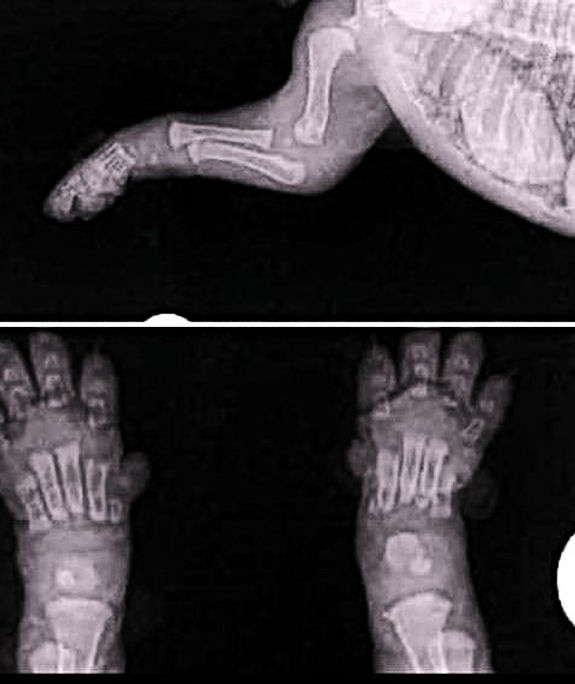
When you bring home your 8- to 10-week-old puppies, keep this important information in mind. At this stage, their bones are not yet fully developed—they are still soft and pliable. They move clumsily with their big, floppy paws and wobbly gait because their joints consist mainly of muscle, tendons, and ligaments, all covered by skin. Nothing is tightly connected or has formed proper sockets yet.
If you allow them to run excessively or don’t restrict their exercise, you risk hindering their development. Every jump or excited bounce during play can lead to impacts between their bones. In reasonable amounts, this is not problematic, as it is part of normal wear and tear for any growing animal. However, letting a puppy jump on and off the furniture or take long walks and hikes can damage their developing joints. Similarly, letting them scramble on slippery surfaces like tile can also cause harm.
You only have one chance to help your puppy grow properly. A strong, well-built body comes from both excellent breeding and a nurturing upbringing; both are essential. Once your puppy matures, you will have their entire life to enjoy higher-impact activities together. So, keep things calm and controlled while they are still little and give them the gift of healthy growth during this crucial time.